The Journey of Pastitsio: From Renaissance Pasticcio to Greek Comfort
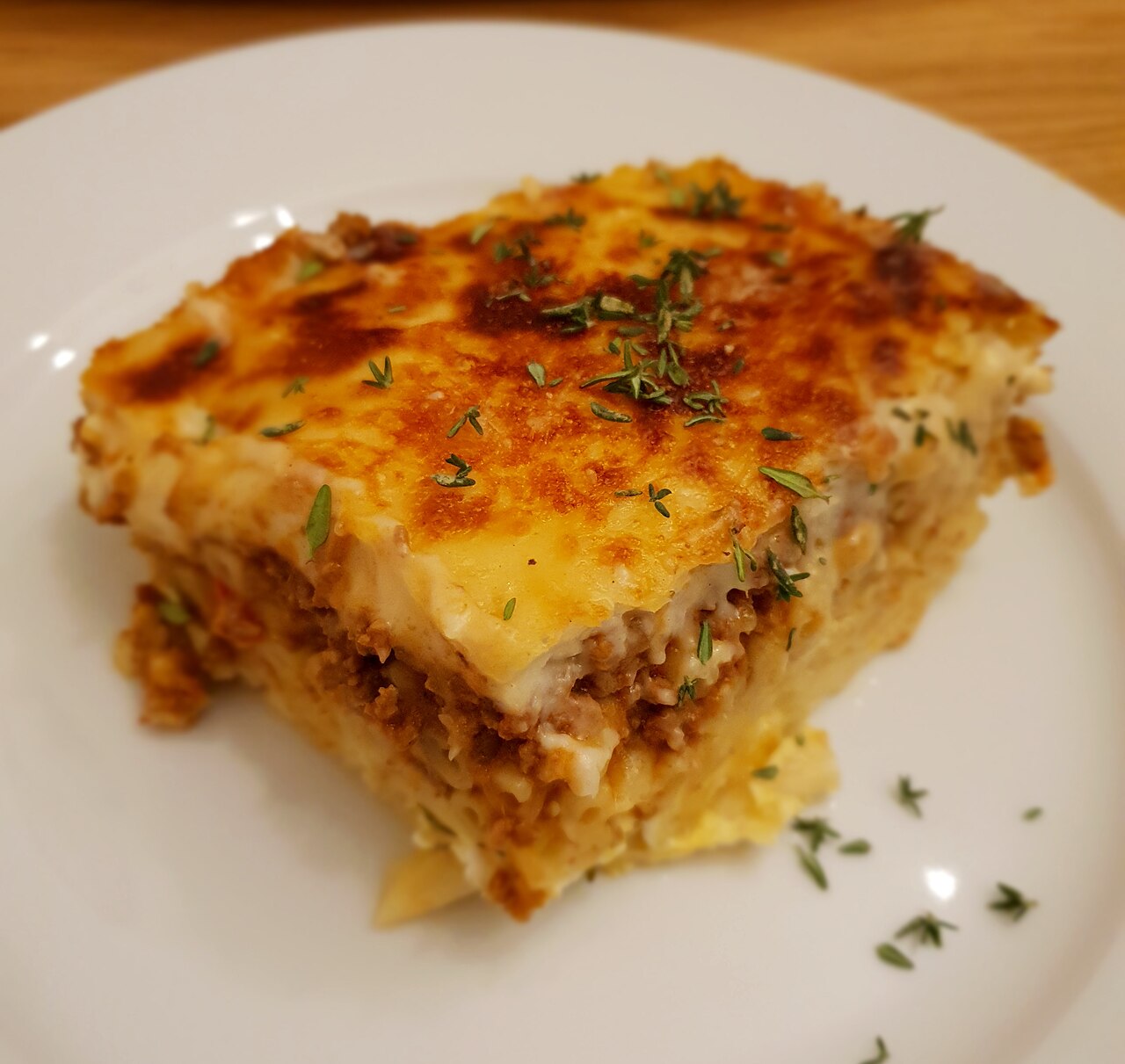
There are dishes that merely satisfy hunger, and then there are those that tell a story, intertwining history, culture, and pure comfort in every bite. Pastitsio, the beloved Greek baked pasta, unequivocally belongs to the latter. Often hailed as the "Greek lasagna," this culinary masterpiece is so much more than its Italian cousin. With its signature layers of tubular pasta, a rich, spiced ground beef filling, and a crowning blanket of creamy béchamel sauce, Pastitsio is a hearty embrace, a staple on Greek tables, and a dish that evokes a powerful sense of home and tradition.
But the journey of Pastitsio to its iconic status in Greek cuisine is a fascinating tale, stretching back centuries and across continents, reflecting a rich tapestry of cultural exchange and culinary evolution. It's a dish that has absorbed influences, adapted to local tastes, and ultimately, carved out a unique identity that resonates deeply within the hearts of Greeks worldwide.
Tracing the Ancestry: From Italian Pasticcio to Greek Staple
To truly appreciate Pastitsio, we must first cast our gaze back to Renaissance Italy, specifically to the Grand Duchy of Ferrara. Here, in a time of culinary innovation and opulent feasts, a dish known as pasticcio di maccheroni began to take shape. This elaborate layered pasta preparation, often featuring various meats, cheeses, and rich sauces baked together, was a forerunner to many modern baked pasta dishes across Europe.
The seeds of this Italian culinary concept were sown in Greek and Balkan territories during the extensive Venetian occupation, which spanned from the 13th to the 18th centuries. Venice, a dominant maritime power, controlled key regions like Crete and the Ionian Islands, facilitating a vibrant exchange of goods, ideas, and, crucially, culinary techniques. It was during this period that the Italian term pasticcio, referring to a baked savory pie or a "haphazard mixture," entered the Greek lexicon. The word itself has ancient roots, deriving from the Late Latin pasticium, meaning "paste" or "dough," and evolving in Italian to describe both literal pies and figuratively, a delightful mess of ingredients.
As the concept traversed the Adriatic, it began its gradual transformation. While the initial Greek renditions might have closely mirrored their Italian ancestors, the foundations for a uniquely Greek interpretation were being laid. Early written records from the late 17th to early 18th centuries in Venetian-influenced regions of Greece confirm the presence of dishes under the adapted name pastitsio (παστίτσιο), demonstrating its successful integration and linguistic naturalization.
Chef Tselementes: The Modern Architect of Pastitsio
While the Italian roots provided the initial blueprint, the Pastitsio we recognize and adore today owes much of its distinctive character to a single, transformative figure: Nikolaos Tselementes. Heralded as the patriarch of modern Greek cuisine, Chef Tselementes revolutionized the Greek culinary landscape in the early 20th century. With a keen eye for refinement and an understanding of European gastronomic trends, he sought to elevate traditional Greek cooking to international standards.
His groundbreaking contribution to Pastitsio came through the incorporation of a French-influenced béchamel sauce. Prior to Tselementes, Greek baked pasta dishes might have used a simpler, perhaps cheese-based topping. However, his seminal 1920s cookbook, Cooking and Patisserie Guide, introduced the creamy, velvety béchamel as the definitive crown for Pastitsio. This addition was a stroke of genius, providing an unparalleled richness and a delicate contrast to the robust meat filling and pasta layers. It transformed Pastitsio from a rustic, albeit delicious, baked dish into the elegant, comforting, and utterly iconic form that has graced Greek tables for over a century.
Deconstructing the Layers: A Culinary Symphony
Pastitsio is a meticulously constructed dish, a true culinary symphony where each layer plays a vital role in creating its harmonious flavor and texture profile. Understanding these components is key to appreciating its genius and, indeed, mastering its preparation. For a deep dive into creating this dish, you might want to explore Master Authentic Greek Pastitsio: Your Guide to Layers of Flavor.
- The Pasta Foundation: The base of Pastitsio typically consists of tubular pasta, most commonly bucatini (long, hollow spaghetti-like strands) or ziti (medium-sized tubes). The pasta is usually cooked al dente, meaning slightly firm, to ensure it doesn't become mushy during baking. A crucial Greek touch involves mixing the cooked pasta with egg whites and sometimes grated feta or Kefalotyri cheese. This mixture acts as a binder, ensuring the bottom layer sets firmly and provides a delightful texture.
- The Aromatic Meat Sauce (Kimas): This is the heart of Pastitsio, bursting with flavor. Ground beef is the traditional choice, though variations might include ground lamb or a mixture. What truly sets the Greek meat sauce apart from an Italian ragu are the spices: a generous hand of cinnamon and cloves. These warm, earthy spices infuse the meat with a distinctly Mediterranean aroma and taste, beautifully complemented by sautéed onions, garlic, canned tomatoes, tomato paste, and a splash of red wine. Simmering this sauce slowly allows the flavors to meld and deepen, resulting in a rich, robust filling.
- The Velvety Béchamel Crown: As Chef Tselementes understood, the béchamel is Pastitsio's glorious topping, lending it unparalleled creaminess and elegance. This thick, smooth white sauce is made from a roux (butter and flour cooked together) slowly whisked into warm milk, then enriched with eggs and grated cheese, such as Kefalotyri or Parmesan, for extra depth of flavor. The goal is a luxuriously thick and lump-free sauce that bakes to a beautiful golden-brown, forming a comforting "crown" over the pasta and meat. To truly understand the magic of this topping, dive into Pastitsio Unpacked: The Greek Lasagna with a Creamy Béchamel Crown.
The assembly is a careful layering process: pasta at the bottom, followed by the rich meat sauce, and finally, the lavish béchamel. Baked in a large dish at around 180°C (350°F) for 30 to 60 minutes, Pastitsio emerges from the oven golden, bubbly, and exquisitely fragrant. A crucial tip for serving is to allow it to rest for at least 15-20 minutes after baking; this allows the layers to set, making for cleaner, more satisfying slices.
Beyond the Plate: Cultural Significance and Global Variations
Beyond its complex flavors and intricate preparation, Pastitsio holds immense cultural significance in Greece. It is the epitome of Greek comfort food, a quintessential family-style meal served during Sunday lunches, holidays, and celebrations. For many, the aroma of Pastitsio baking in the oven instantly conjures nostalgic memories of childhood, family gatherings, and the warmth of a Greek home. It's a dish that symbolizes hospitality, abundance, and the enduring power of food to bring people together.
Like many beloved dishes, Pastitsio has inspired delicious variations across the Mediterranean. In Cyprus, a similar dish known as makaronia tou fournou (oven macaroni) is a festive staple, particularly at Easter. It often features a unique ground pork filling seasoned differently, and the béchamel might be enriched with local Halloumi cheese, offering a distinct Cypriot twist. Further afield, Egypt boasts its own "macaroni béchamel," which tends to feature a spicier meat filling, showcasing how a core concept can adapt and thrive within diverse culinary traditions.
From its humble beginnings as an Italian Renaissance pasticcio to its modern incarnation as the quintessential Greek comfort food, Pastitsio has embarked on an incredible culinary journey. It stands as a testament to the enduring power of food to transcend borders, evolve with taste, and weave itself into the very fabric of a culture. Each layer of this magnificent dish tells a part of its story, offering not just nourishment, but a profound connection to history and heritage.
