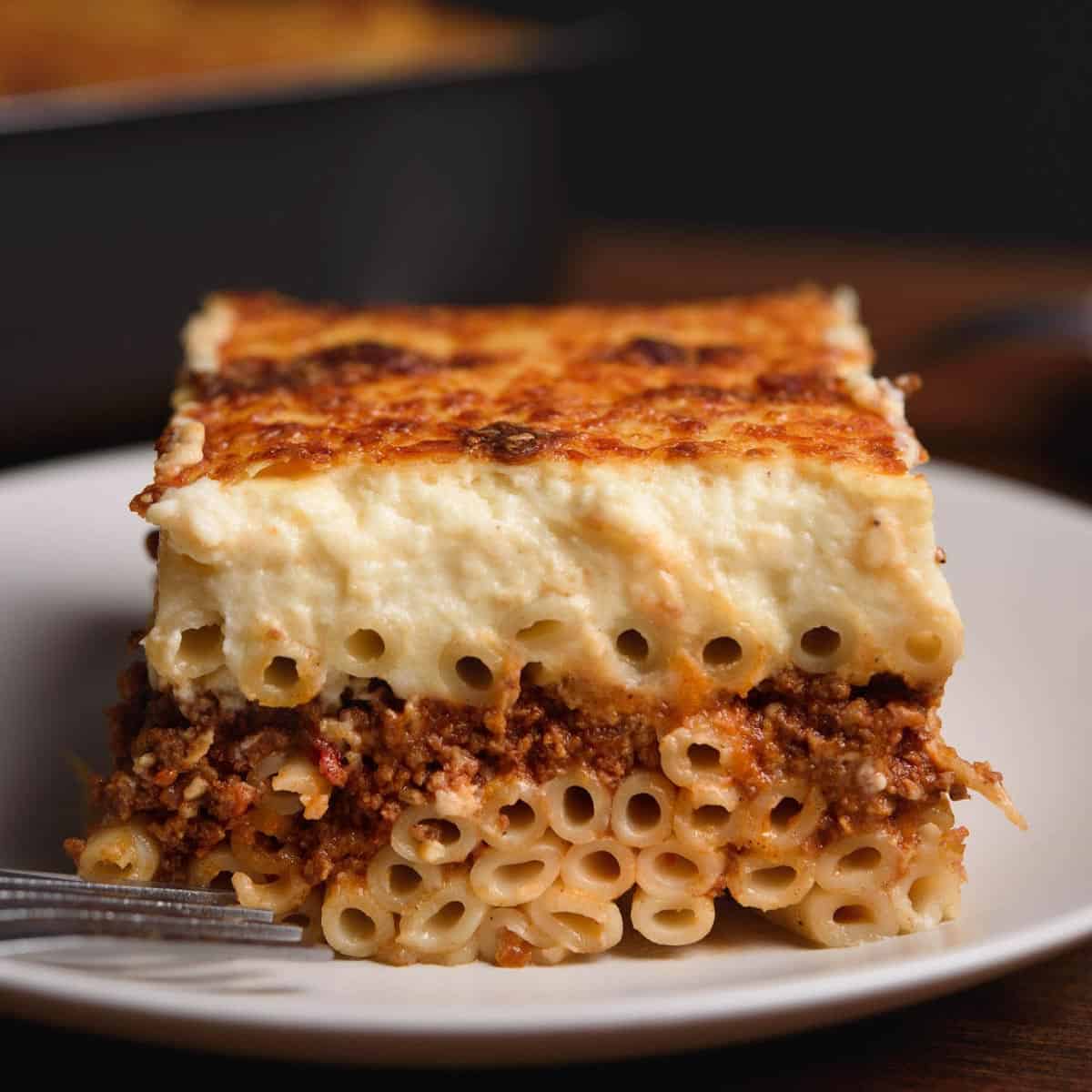
Welcome to the heartwarming world of Pastitsio, Greece's answer to ultimate comfort food and a culinary masterpiece often hailed as "Greek lasagna." Far more than just a simple pasta bake, authentic pastitsio is a symphony of textures and flavors, meticulously layered to create a dish that's both deeply satisfying and endlessly inviting. From its robust, spiced meat filling to its creamy, golden béchamel crown, pastitsio embodies the spirit of Greek hospitality and tradition, making it a beloved centerpiece for family gatherings, holidays, and Sunday dinners across the country and around the globe.
This comprehensive guide will take you through the captivating history, intricate layers, and essential techniques for mastering authentic pastitsio in your own kitchen. Prepare to embark on a delicious journey that culminates in a truly unforgettable meal.
The Culinary Legacy of Pastitsio: A Journey Through Time
The story of pastitsio is as rich and layered as the dish itself, tracing a fascinating path through centuries of Mediterranean history and cultural exchange. While firmly established as a cornerstone of Greek cuisine today, its origins point to an intriguing Italian heritage.
From Italian Pasticcio to Greek Icon
The term "pastitsio" itself is a direct descendant of the Italian word pasticcio, which in Renaissance-era Italy referred to elaborate baked savory pies or layered preparations, often featuring pasta, meat, and cheese. This culinary concept, particularly the pasticcio di maccheroni from the Grand Duchy of Ferrara, found its way to Greece and the Balkans during the long period of Venetian occupation, spanning from the 13th to the 18th centuries. Venetian dominance facilitated a vibrant exchange of culinary terms and techniques, especially in regions like Crete and the Ionian Islands, where the Italian influence was profound. The term slowly adapted into Greek as παστίτσιο (pastitsio), first appearing in written records in the late 17th to early 18th centuries.
Nikolaos Tselementes: The Modern Architect
While the initial concept arrived much earlier, the pastitsio we recognize today owes much of its iconic form to a pivotal figure in Greek gastronomy: Chef Nikolaos Tselementes. In the early 20th century, Tselementes, a towering figure whose 1920s cookbook, Cooking and Patisserie Guide, remains hugely influential, modernized the traditional recipe. His most significant contribution was the incorporation of a French-influenced béchamel sauce, transforming what might have been a simpler pasta bake into the rich, creamy, and distinctively elegant dish that graces Greek tables today. His innovations cemented pastitsio's place as a culinary classic, blending historical influences with contemporary flair. To delve deeper into this captivating history, read more about The Journey of Pastitsio: From Renaissance Pasticcio to Greek Comfort.
Deconstructing the Layers of Authentic Pastitsio
At its heart, pastitsio is a triumph of three distinct yet harmoniously blended layers. Mastering each component is key to achieving that authentic taste and texture.
The Pasta Foundation: Building the Base
Unlike flat lasagna noodles, traditional pastitsio relies on tubular pasta varieties like bucatini or ziti. These pastas, with their hollow centers, are perfect for capturing and holding the rich meat sauce. The pasta is typically cooked al dente – firm to the bite – to prevent it from becoming mushy during the subsequent baking. A unique Greek touch is to mix the cooked pasta with a binding agent, often a combination of egg whites and grated cheese like Kefalotyri or Parmesan, which helps the pasta layer set and provides a subtle tang.
- Expert Tip: Don't overcook your pasta! It will continue to cook in the oven. Aim for slightly less than al dente for optimal texture.
The Hearty Meat Filling: The Soul of the Dish
The middle layer is where pastitsio truly distinguishes itself. A savory ground beef sauce, cooked with aromatic onions and garlic, forms the flavorful core. What sets the Greek version apart are the signature spices: warm cinnamon and pungent cloves, often complemented by a splash of red wine and crushed canned tomatoes or tomato paste. These spices infuse the meat with a deeply aromatic and slightly sweet profile that is unmistakably Greek. The sauce is simmered until thickened, allowing the flavors to meld beautifully.
- Key Ingredients: Ground beef, onions, garlic, olive oil, canned tomatoes/tomato paste, red wine, cinnamon stick, ground cloves.
- Flavor Insight: The cinnamon and cloves are non-negotiable for an authentic Greek pastitsio. They add a warmth and complexity that defines the dish.
The Velvety Béchamel Crown: The Golden Finish
The crowning glory of any pastitsio is its thick, creamy béchamel sauce. While the basic béchamel is a classic French white sauce made from a roux of butter and flour cooked with milk, the Greek interpretation elevates it significantly. Eggs and grated hard cheese, traditionally Kefalotyri (a salty, hard Greek cheese) or Parmesan, are whisked into the warm béchamel, adding richness, stability, and a golden hue. This luxurious topping bakes to a beautiful golden-brown, forming a delicate crust that locks in the moisture and flavor of the layers beneath. For an in-depth look at this magnificent topping, explore Pastitsio Unpacked: The Greek Lasagna with a Creamy Béchamel Crown.
- Béchamel Mastery: Start with equal parts butter and flour for your roux, then gradually whisk in warm milk to avoid lumps. Ensure the sauce is thick enough to coat the back of a spoon.
Mastering Your Pastitsio: Tips for Success
Creating an authentic pastitsio might seem daunting, but with a few insider tips, you can achieve a perfect result every time.
- Prep Your Ingredients: Have all your components ready before you start layering. This makes the assembly process smooth and efficient.
- Season Generously: Taste and adjust seasoning for both the meat sauce and the béchamel. Don't be shy with salt and pepper.
- The Right Pasta-to-Sauce Ratio: Ensure your pasta is well coated with the egg/cheese mixture to create a cohesive base. Similarly, the meat sauce should be moist but not watery.
- Layering with Care: Start with the pasta base, pressing it gently into your baking dish. Spread the meat sauce evenly over the pasta, then finish with a generous, even layer of béchamel, smoothing the top.
- Baking to Perfection: Bake pastitsio in a preheated oven at around 180°C (350°F) for 30 to 60 minutes, or until the béchamel is beautifully golden brown and set.
- The Golden Rule: Rest! This is crucial. Allow the pastitsio to rest for at least 15-20 minutes after it comes out of the oven. This allows the layers to set properly, making for cleaner slices and preventing it from falling apart.
Pastitsio in Greek Culture and Beyond
In Greece, pastitsio is more than just a meal; it's a culinary embrace, a symbol of family, warmth, and tradition. It’s the ultimate Greek comfort food, often prepared for Sunday family lunches, holidays like Easter, and found proudly displayed in every authentic Greek taverna. The aroma of baking pastitsio evokes nostalgic memories and creates an atmosphere of togetherness.
While deeply Greek, variations of this layered pasta dish can be found across the Mediterranean, showcasing its widespread appeal and adaptability:
- Cypriot Makaronia tou Fournou: A close cousin, this Cypriot version often features pork mince instead of beef and incorporates Halloumi cheese, particularly popular during Easter celebrations.
- Egyptian "Macaroni Béchamel": In Egypt, a similar dish exists, typically made with a spicier meat filling and a slightly thinner béchamel sauce, reflecting local flavor preferences.
These variations highlight the universal appeal of layers of pasta, meat, and a creamy sauce, adapted to suit regional tastes while retaining a comforting essence.
Conclusion
Mastering authentic Greek pastitsio is a rewarding culinary journey that connects you with centuries of tradition and a vibrant culture. From its humble Italian roots to its iconic Greek transformation by Tselementes, this dish tells a story of culinary evolution. The interplay of its tubular pasta, aromatic spiced meat, and velvety béchamel creates a symphony of flavors and textures that is truly unparalleled. Whether you're seeking a hearty weeknight meal, a show-stopping holiday dish, or simply a taste of authentic Greek comfort, pastitsio promises to deliver. So, gather your ingredients, follow these steps, and prepare to bring the rich, layered deliciousness of Greece to your own table.
