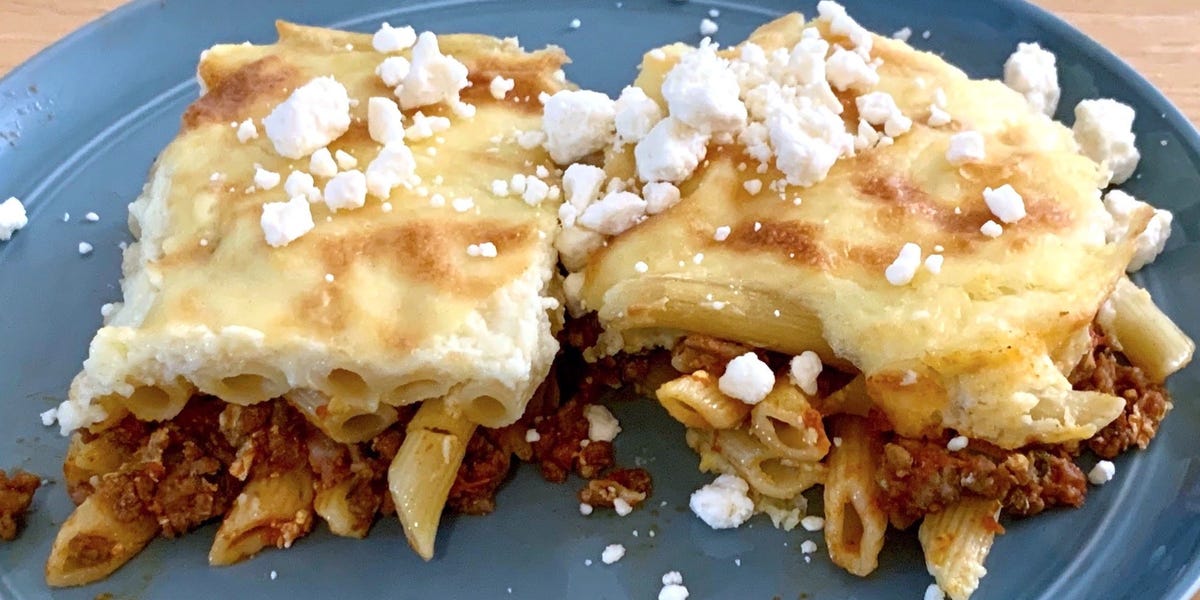
Step into any Greek home or taverna, and you're likely to encounter a dish that's as comforting as it is majestic: pastitsio. Often affectionately dubbed "Greek lasagna," this baked pasta casserole is a culinary masterpiece, renowned for its distinct layers, aromatic spices, and a crowning cap of impossibly creamy béchamel sauce. It's more than just a meal; it's a celebration of rich history, family tradition, and the soul of Greek comfort food.
The Heart of Greek Cuisine: What Makes Pastitsio So Special?
While the comparison to lasagna is a common entry point for the uninitiated, pastitsio stands proudly in its own right, offering a uniquely Greek flavor profile and texture. Its magic lies in the harmonious interplay of its three distinct layers:
- The Pasta Base: Unlike the flat sheets of Italian lasagna, pastitsio typically uses tubular pasta, such as bucatini or ziti. These hollow strands are perfect for capturing the rich flavors of the layers above and below. Often, the cooked pasta is tossed with egg whites and a touch of grated cheese (like feta or Kefalotyri) to create a cohesive, sturdy base that holds its shape beautifully when sliced.
- The Aromatic Meat Sauce: This is where pastitsio truly distinguishes itself. A deeply savory ground beef sauce, slow-simmered with onions, garlic, and rich tomato paste, is infused with the warm, exotic notes of cinnamon and cloves, often brightened by a splash of red wine. These spices might seem unexpected to some, but they are quintessential to Greek cuisine, lending a captivating depth and sweetness that is utterly irresistible.
- The Velvety Béchamel Crown: The crowning glory of pastitsio is its thick, luscious béchamel sauce. Far from being an afterthought, this creamy, golden layer provides a decadent contrast to the robust meat and pasta. Made from butter, flour, milk, and often enriched with eggs and grated cheese (Parmesan or Kefalotyri are favorites), it bakes into a smooth, slightly browned crust that is the hallmark of an authentic pastitsio.
Together, these layers create a dish that is hearty, flavorful, and incredibly satisfying, perfect for grand family gatherings, festive holidays, or simply a cozy Sunday dinner. To truly appreciate the art of assembling these layers, explore our detailed guide: Master Authentic Greek Pastitsio: Your Guide to Layers of Flavor.
A Culinary Journey Through Time: The Rich History of Pastitsio
The story of pastitsio is a fascinating narrative of cultural exchange and culinary evolution. Its roots stretch back centuries, tracing a path from Renaissance-era Italy to the sun-drenched shores of Greece.
From Italian Pasticcio to Greek Icon
The term "pasticcio" itself is Italian, referring to a baked savory pie or, more broadly, an elaborate layered dish. The specific ancestor of pastitsio is believed to be the *pasticcio di maccheroni*, a luxurious preparation from the Grand Duchy of Ferrara, featuring layers of pasta, meat, and cheese. This culinary concept, along with the Italian word "pasticcio," was introduced to Greece during the Venetian occupation, which spanned from the 13th to the 18th centuries. Venice's control over key Greek territories like Crete and the Ionian Islands facilitated a significant exchange of culinary techniques and terminology.
The Italian influence, however, was merely the foundation. It took the genius of one man to transform this concept into the iconic Greek dish we know today. In the early 20th century, Greek chef Nikolaos Tselementes, often considered the father of modern Greek cuisine, revolutionized the recipe. His influential cookbook, "Cooking and Patisserie Guide" of the 1920s, codified many Greek dishes, and for pastitsio, he introduced a French-influenced béchamel sauce, elevating the dish to new levels of sophistication and creaminess. This addition cemented its status as a staple in Greek households, blending Italian heritage with French technique and distinctly Greek flavors.
The word "pasticcio" itself derives from the Late Latin *pasticium*, meaning "paste" or "dough," and its evolution into the Greek "pastitsio" (παστίτσιο) reflects this historical linguistic borrowing. It's a testament to the dynamic nature of food, constantly adapting and evolving across cultures and centuries. For a deeper dive into this fascinating heritage, read The Journey of Pastitsio: From Renaissance Pasticcio to Greek Comfort.
Crafting the Perfect Pastitsio: Essential Ingredients and Techniques
Creating an authentic pastitsio is a labor of love, but the process is straightforward and incredibly rewarding. Each layer plays a crucial role in the final symphony of flavors and textures.
The Pasta Layer: More Than Just a Base
The choice of pasta is paramount. Bucatini, with its hollow center, or thick ziti are traditional for their ability to provide structure and absorb flavor. The key is to cook the pasta *al dente* – slightly firm – as it will continue to cook in the oven. After draining, mixing the pasta with a whisked egg white and some grated cheese (like feta or Kefalotyri) helps to bind the strands together, creating a cohesive base that won't fall apart when serving.
The Aromatic Meat Sauce: A Symphony of Spices
Start with good quality ground beef, browning it thoroughly with finely diced onions and minced garlic. The magical transformation occurs with the addition of canned tomatoes or tomato paste, a generous splash of red wine, and, most importantly, the warming spices: cinnamon and cloves. These spices are not just for flavoring; they add a distinctive sweetness and depth that balances the richness of the beef. Simmer the sauce gently until it thickens, allowing the flavors to meld and intensify. This slow cooking process is essential for developing that complex, comforting taste.
The Velvety Béchamel Crown: The Unmistakable Signature
The béchamel is arguably the most recognizable feature of pastitsio. A classic French mother sauce, it's perfected for this Greek dish. Begin by melting butter, then whisk in flour to create a roux. Gradually add warm milk, whisking continuously to prevent lumps and achieve a silky-smooth consistency. Once thickened, remove from heat and stir in whisked eggs and grated cheese (Kefalotyri or Parmesan are excellent choices). The eggs add richness and help the béchamel set beautifully into a golden, sliceable topping. Season with a pinch of nutmeg and salt to enhance its creamy flavor.
Beyond the Classic: Regional Variations and Modern Twists
While the classic pastitsio recipe is beloved, variations exist across the Mediterranean, reflecting local ingredients and preferences. The Cypriot version, known as *makaronia tou fournou*, often features a mix of pork and beef in its meat sauce and incorporates Halloumi cheese, a staple of Cypriot cuisine, sometimes even layered within the pasta or béchamel. It's a particularly popular dish during Easter celebrations on the island.
Further afield, Egyptian "macaroni béchamel" offers a spicier rendition, often with a more robust tomato base and a heavier hand with chili or black pepper, reflecting the region's distinct flavor profile.
For those looking to adapt the dish, modern twists can include:
- Vegetarian Pastitsio: Substitute ground beef with lentils, mushrooms, or a combination of finely diced vegetables for a plant-based alternative. The spices remain key for retaining that Greek essence.
- Different Meats: Lamb or a mix of lamb and beef can be used for a richer, more gamey flavor.
- Cheese Exploration: Experiment with different Greek cheeses like Graviera or even a sharp cheddar in the béchamel or pasta layer for varied textures and flavors.
- Spice Adjustments: While cinnamon and cloves are traditional, some might prefer a lighter touch or even additional Greek herbs like oregano or thyme in the meat sauce.
These variations highlight the versatility of pastitsio, proving that while its core elements are sacred, there's always room for personal interpretation.
From its humble Italian beginnings to its modern Greek glory, pastitsio has solidified its place as a quintessential comfort food. It's a dish that embodies the warmth of home, the richness of history, and the vibrant flavors of the Mediterranean. Whether you're savoring a traditional recipe or exploring a regional variation, each forkful of this creamy, spiced pasta bake is a journey into the heart of Greek hospitality and culinary tradition. It truly is the ultimate Greek comfort food, perfect for making memories around the family table.
